Column · @charliejayc650
Senior Care 101: How to Examine Memory Care Facilities
Business Name: BeeHive Homes of Frisco
Address: 2660 Timber Ridge Dr, Frisco, TX 75034
Phone: (469) 353-8232
BeeHive Homes of Frisco
Residential Assisted Living and Memory Care homes with compassion, core values, and care.
2660 Timber Ridge Dr, Frisco, TX 75034
Business Hours
Picking a memory care neighborhood is not simply a housing choice, it shapes the last chapters of someone's life. Households get to this crossroad for lots of reasons. A parent has started roaming at night. A partner with dementia can no longer be safely raised after a fall. The main caregiver is exhausted after months of interrupted sleep. Excellent memory care relieves these pressures. It stabilizes security with autonomy, and clinical oversight with everyday joy. The difficult part is discriminating in between refined marketing and a location that will genuinely satisfy your loved one's needs.
This guide makes use of years of work with families, nurses, and administrators inside senior care. It focuses on what to try to find, what to ask, and how to judge compromises that rarely show up on shiny brochures.
What memory care is, and what it is not
Memory care is a specific type of senior care designed for people dealing with Alzheimer's illness and other dementias. It is generally housed within an assisted living community or a freestanding building. Compared with standard assisted living, memory care uses secured environments, more staff training in dementia care, structured daily routines, and customized activities that lower anxiety and confusion.
It is not a health center, even if there is a nurse on site. Memory care bridges two needs that frequently yank in opposite directions: safety and normalcy. The best communities keep people safe without making them feel sent to prison. They support decision making without setting locals approximately fail.
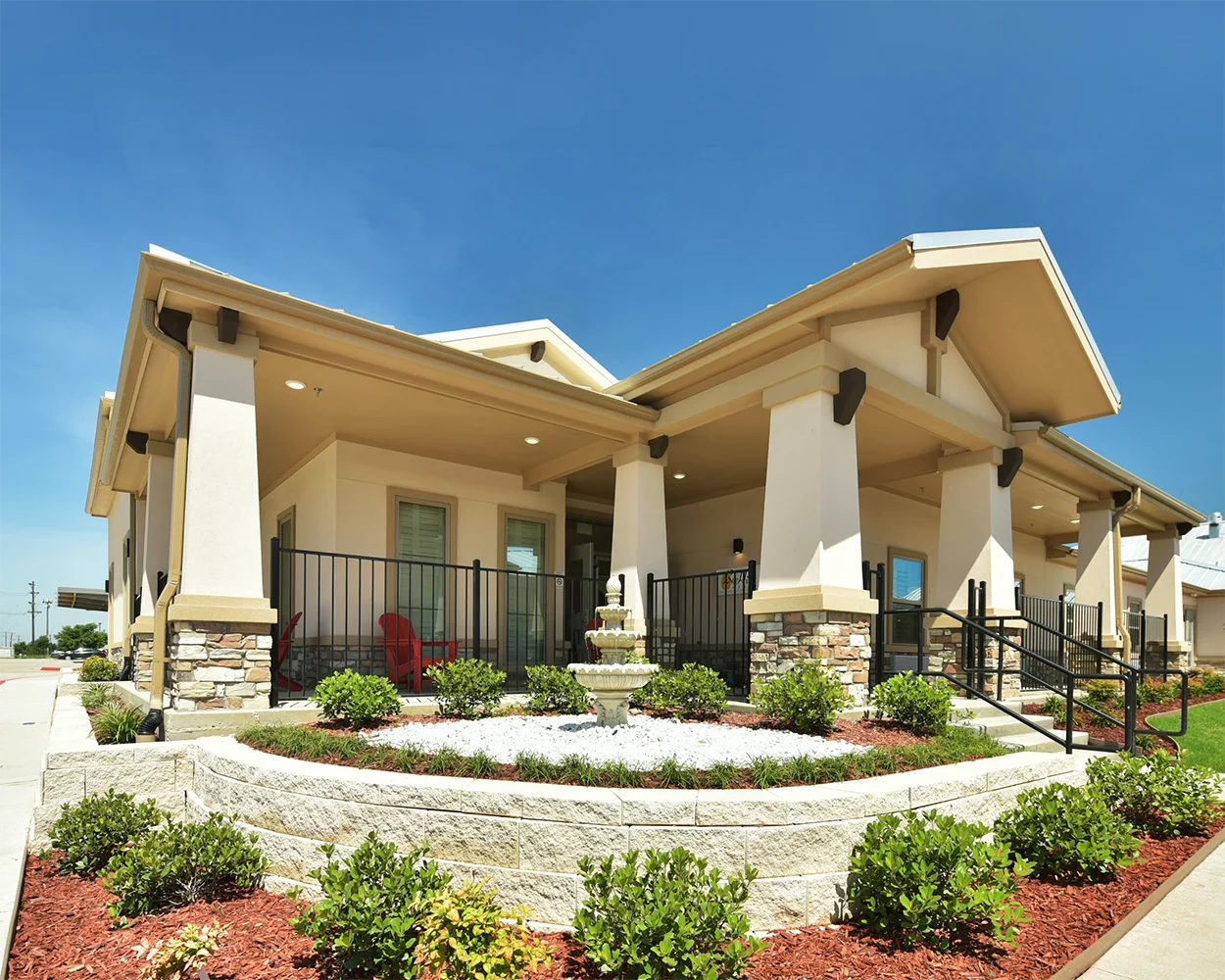
If you are uncertain whether it is time, think about threat. Repetitive wandering outside, stove fires, regular falls, weight reduction from missed out on meals, incontinence that overwhelms home resources, and aggressive habits that put someone at risk, all point toward the need for specialized dementia care. Respite care, which is a short remain in a memory care setting, can assist you evaluate the fit and catch your breath without devoting to a long lease. Many families utilize respite care after a hospitalization or during a caregiver's medical leave to see how their loved one reacts to the structure and staff.
The care model under the hood
Every tour will discuss person-centered care. What matters is the equipment behind the phrase. The heart of the model is staffing, medical oversight, and how the group responds to habits and health changes.
Staffing ratios. There is no single nationwide requirement for memory care staffing, since regulations vary by state. Almost, search for daytime caregiver ratios in the range of 1 to 5 or 1 to 8, depending upon skill, and greater ratios during the night, frequently 1 to 10 or 1 to 15. Ratios alone do not tell the complete story. Ask how personnel are released. A ratio of 1 to 6 on paper can feel risky if half the team is on break or drifting to another system. Great operators schedule foreseeable breaks and float coverage so residents are not left waiting during meals and bathing.
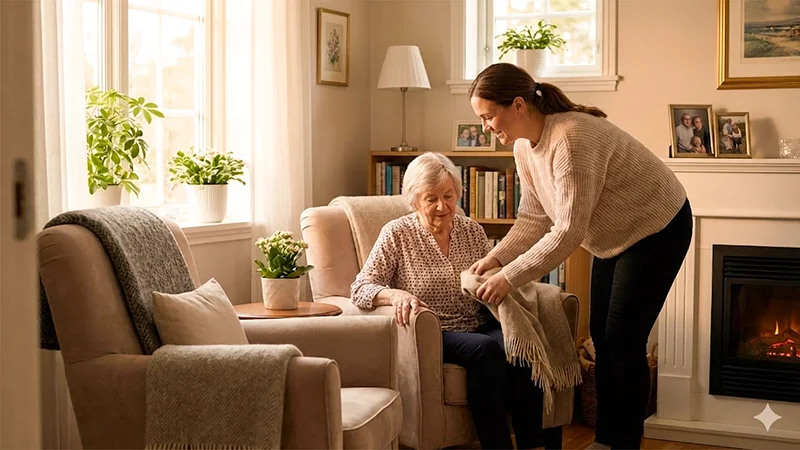
Training. Dementia care is not instinctive. Quality communities supply a minimum of 8 to 16 hours of specialized onboarding on dementia communication, redirection methods, and understanding of various dementias like Lewy body and frontotemporal illness. Ongoing in-services, usually monthly, keep skills fresh. Training needs to consist of nonpharmacologic methods to agitation, safe transfers, infection acknowledgment, and how to engage people with aphasia. Ask to see a sample training calendar, not simply a brochure.
Clinical oversight. Memory care is generally overseen by a nurse, often a RN who leads care preparation and supervises medication service technicians. Some buildings likewise host checking out medical care providers, psychiatric nurse practitioners, physical and physical therapists, and hospice teams. The best setups consist of weekly or biweekly rounding by a physician who can change medications and catch infections or dehydration early. A nurse who knows the residents will see when a quiet person becomes quieter, or when a chatty individual's words lose focus, and will link those modifications to possible medical issues.
Medication management. Behavior in dementia is often a type of communication. Medications that sedate can quiet the behavior however likewise strip away movement and cognition. Experienced teams use antipsychotics and benzodiazepines with caution and track side effects weekly during the very first month. They deal with prescribers to taper, and they trial ecological repairs initially. Door camouflage, relaxing music before sundown, pain control, bowel regimens, and walking programs can reduce the very habits that trigger medication use.
The environment tells the truth about priorities
Design can either calm or puzzle. Stroll the corridors slowly and view how homeowners move.
Layout and wayfinding. Memory care units with loops allow residents to walk without dead ends that can stimulate disappointment. Brief sightlines to dining-room and activity areas help individuals get involved. Try to find clear, large-print signs, contrasting colors on bathroom thresholds and toilet seats, and shadow boxes or memory screens by doors that hint room ownership. Personalized entrances show the team values identity, not just room numbers.
Lighting and noise. Brilliant, natural light minimizes sundowning and enhances sleep. Ask whether the community uses circadian lighting or at least prevents severe fluorescent glare. Sound matters. TV volume in typical spaces that overwhelms conversation is a red flag. The spaces should hum, not roar.
Safety features. Safe and secure courtyards offer safe access to fresh air. Fencing should mix in, not feel punitive. Doors may be alarmed or use code pads. Roam management systems, like discreet bracelets, enable flexibility within set zones. Fire protection, smoke barriers, and sprinklers should be obvious and code certified. Floorings must be matte, not glossy, considering that glare can appear like water or holes to people with dementia-related visual changes.
Privacy and self-respect. Take a look at bathrooms. Are they tidy, intense, and stocked with incontinence products in a manner that does not market a resident's difficulties to every passerby. Exist lift systems or ceiling tracks in rooms where residents require two-person transfers. If not, how do staff safeguard backs and hips, both theirs and homeowners'.
Life in between breakfast and bedtime
Programs that look dynamic at 11 a.m. And dead by 3 p.m. Often rely too much on a single activities director. Real life needs rhythm. People with dementia do best with foreseeable routines, little group engagement, and meaningful tasks.
Activities. Excellent calendars are not the goal. Participation is. Try to find mixed activities throughout the day: baking, garden walks, chair yoga, singalongs, and individually visits for those who avoid groups. Cognitive stimulation can be as basic as sorting nuts and bolts for a retired mechanic or folding towels for a former housewife who found pride in a tidy linen closet. Ask how the team engages individuals who decline activities or nap throughout the day. An experienced aide will welcome, not require, and will adjust the job so the individual feels successful.
Meals. Food brings comfort. Examine whether meals are served family design or plated. Finger foods assist those who fight with utensils. High caloric density matters for people who speed. Enjoy a meal if you can. Do staff sit and cue, or do they hover at a range. Are adaptive cups and plates available. Hydration stations with fruit-infused water or tea work, however only if personnel timely sips throughout the day.
Bathing and individual care. Bathing can trigger stress and anxiety. The most reliable approach is flexible scheduling and a calm speed. Search for non-slip seating, hand-held shower heads, and warmed towels. Ask how the group interprets rejection. Is it a hard no, or does somebody attempt again later on with a different assistant who has much better rapport. The response exposes whether self-respect is practiced or just preached.
Sleep. Nights can be uneasy for people with dementia. Some neighborhoods run calming late-evening programs, like peaceful music, hand massages, and dimmed lights. Others switch off the lights and wish for the best. If your loved one wanders during the night, ask how they are supervised between midnight and 5 a.m., when staffing is thinnest.
Culture shows up in small moments
You can sense culture in how staff greet each other and homeowners. Do assistants understand the names of relative. Do they laugh with citizens without mocking them. Are managers noticeable beyond trips and meetings.
Leadership stability matters. High administrator or nurse turnover usually ripples through the building. A group that has actually interacted for years expects issues before they swell. Ask the length of time the executive director, nurse leader, and department heads have actually remained in location. Brief periods are not immediately bad if the operator is purchasing a turnaround, but you need to penetrate what altered and what is improving.
Communication norms matter too. Memory care is a three-way relationship between the resident, the group, and the household. Communities that schedule quarterly care strategy conferences, return calls the same day, and share little wins build trust. One community I dealt with sent a weekly image and two-sentence update to households. It was basic, yet it brought down anxiety and hospitalizations due to the fact that member of the family remained engaged.
Health combination, hospice, and healthcare facility use
Dementia care does not take place in a bubble. Citizens still get urinary tract infections, pneumonia, heart failure, and fractures. Try to find a care model that can respond inside the building whenever practical. Point-of-care lab draws, telehealth with the primary care group, and relationships with mobile x-ray services can reduce disruptive ER trips.
Hospice and palliative care are not failures. They are tools. An excellent memory care neighborhood partners with hospice companies and comprehends when to refer. If your loved one is reducing weight, withdrawing from activities, or experiencing frequent infections, palliative conversations can align care with comfort. Ask where end-of-life care typically happens. Lots of people choose to pass away in place, with familiar personnel and family close by. That takes training, coordination, and a clear plan for symptom management.
Falls take place. What matters is how the community learns from them. Incident evaluations ought to be regular. Was the floor wet. Were shoes suitable. Did a new medication cause lightheadedness. Neighborhoods that track patterns can lower repeat falls without turning to unnecessary restraint, that includes chemical restraint.
Cost, contracts, and what the small print hides
Memory care is expensive. In lots of regions, regular monthly base rates vary from 5,000 to 10,000 dollars, often greater in major metro areas. Rates models differ:
- Some neighborhoods use extensive rates, where the base rate covers room, board, and many care.
- Others use tiered care levels, adding fees as assistance requires increase, for instance an additional 800 dollars for aid with two-person transfers or incontinence care.
- Medication management can be consisted of or billed per medication pass.
- Respite care is normally billed per day or week at a slightly higher rate but without a long-lasting commitment.
Ask about yearly rate increases. Normal ranges are 3 to 7 percent each year, but inflationary spikes can push greater. Clarify what triggers a move to a greater care tier. If your loved one establishes behaviors that need extra staffing, the monthly bill might climb up quickly. Agreements should define notification durations for vacating, refund policies, and what occurs throughout hospitalizations. Some neighborhoods hold the space at complete or partial rate during a medical facility stay, others enable short-term holds at a minimized fee.
Insurance rarely pays for space and board. Long-lasting care insurance coverage might compensate part of the cost if the policy consists of memory care. Medicaid coverage for memory care differs by state and is frequently connected to assisted living waivers. Veterans and enduring partners may qualify for Aid and Attendance advantages. Reliable administrators help households browse these programs without overpromising.
How to check out quality information without getting misled
Unlike nursing homes, lots of memory care units sit inside assisted living and are not rated by a federal Luxury system. Quality oversight depends on state licensing. You can request state study reports, which note shortages and corrective actions. A deficiency is not always a deal-breaker. Repetitive patterns matter more than a one-time citation for a paperwork lapse. Ombudsman offices can share complaint patterns and help families fix concerns.
Online evaluates capture extremes. Look previous star ratings and check out for specifics. Consistent styles, like poor interaction or frequent personnel turnover, should have weight. Be cautious about confidential tirades that do not align with what you see throughout a visit.
Touring method that conserves time and exposes truth
Tours arranged mid-morning on a weekday are frequently the neighborhood's finest foot forward. You need to see that variation, but also its opposite. Visit once again during supper or on a weekend. Listen for how staff respond to buzzers, who sits with homeowners throughout meals, and whether managers are present or reachable.
Consider utilizing respite care for a week or two if the neighborhood provides it. A brief stay reveals how your loved one reacts to the environment. You will learn more from three bath efforts, two meals, and a Sunday afternoon than from any brochure.
Here is a concise tour-day list to keep you focused:
- Arrive unannounced for a second visit at a different time of day and see a meal.
- Ask 3 direct-care aides how long they have actually worked there and what training they get.
- Request to see the activity in a little group room, not just the main event in the lobby.
- Review the last state survey and ask what altered in response.
- Walk the courtyard and check whether exits are secure but still feel humane.
Red flags you must not ignore
- Strong urine or fecal odors that remain beyond a particular occurrence, which typically signifies persistent understaffing or poor infection control.
- Residents parked in wheelchairs along corridors without any engagement for long stretches.
- Staff who speak about locals in front of them as if they are not there.
- Confused medication practices, like unsecured med carts or hurried passes with regular errors.
- Leadership that can not articulate staffing ratios, training hours, or how they manage intensifying behaviors.
Family participation and the rhythm of care planning
Families know histories that do not always fit into medical charts. The bio of a former teacher who calms when offered reading material, or the Army veteran who reacts to structure and clear guidelines, can change daily outcomes. Bring that knowledge. Lots of neighborhoods utilize a life story type. Go beyond preferred foods. List topics that activate anxiety, spiritual choices, music that relieves, and past routines. If mornings were always sluggish, pressing a 7 a.m. Shower may backfire.
Expect a care strategy within one month of move-in, then at least quarterly or after any significant modification. These meetings should move from issues to useful actions. If weight is down 5 pounds, who will cue 2nd assistings. If hostility occurs during bathing, what time of day and which team member yields much better outcomes. After the meeting, validate the plan in composing so move changes and brand-new hires do not remove progress.
Communication must be two-way. Communities that share little triumphs build trust, and families that share upcoming medical consultations or travel strategies assist the group plan staffing and engagement.
Moving day, regret, and what a soft landing looks like
The hardest part is often psychological, not logistical. Families typically carry guilt, even when home care is unsafe. It helps to frame the move as an extension of care, not a surrender of it.
Preparation smooths the landing. Bring familiar items that cue identity, like a favorite chair, quilt, or wall photos put at eye level. Avoid mess that confuses navigation. Label clothes clearly. If your loved one always kept a watch on the left-nightstand, location it there. Regimens matter on day one. If coffee at 9 a.m. Was spiritual, tell the team.
Expect a wobble. Lots of residents are more baffled or agitated for the very first one to 2 weeks. Great groups increase one-on-one time throughout this window, schedule reassuring check-ins, and reduce big group demands. You can help by going to sometimes that line up with calm periods, not during bathing or shift change. If the individual asks to go home, avoid arguing facts. Verify the sensation and reroute to something concrete, like a walk in the courtyard or an image album.
Respite care as a bridge and a barometer
Short remains serve multiple purposes. They provide caretakers time to recover, and they offer data. If your loved one needs more prompting than the structure can provide even during respite, it might signal that the environment or staffing level is not sufficient. Conversely, if sleep improves and roaming alleviates, the structured regimen might be working. Use respite care to observe details, like how the team manages incontinence and whether skin stays intact. Request for a quick discharge summary after respite, noting what worked and what did not. You can carry those lessons back home or into a longer placement.
Special situations that need sharper questions
Younger-onset dementia often features physical vigor and behavioral signs that surpass typical memory care programming. Ask about protected outdoor space for paced walking, staff training in de-escalation, and access to neuropsychiatry support. You may need a neighborhood that accepts higher skill, with more robust staffing and a strong medical partner.
Couples deal with a hard calculus. Some neighborhoods let a spouse survive on site in assisted living while the partner resides in memory care, alleviating visits and meals together. It can work if both spaces coordinate schedules. If the healthy spouse attempts to become the primary caretaker inside the structure, burnout follows. Clarify boundaries and support.
Cultural alignment matters. Language gain access to, faith practices, and food customs are not bonus. A resident who can speak to an aide in their mother tongue will accept care more easily. Ask about bilingual staff, pastor support, and menu flexibility. Tour on a day when cultural shows is running if it is important to your family.
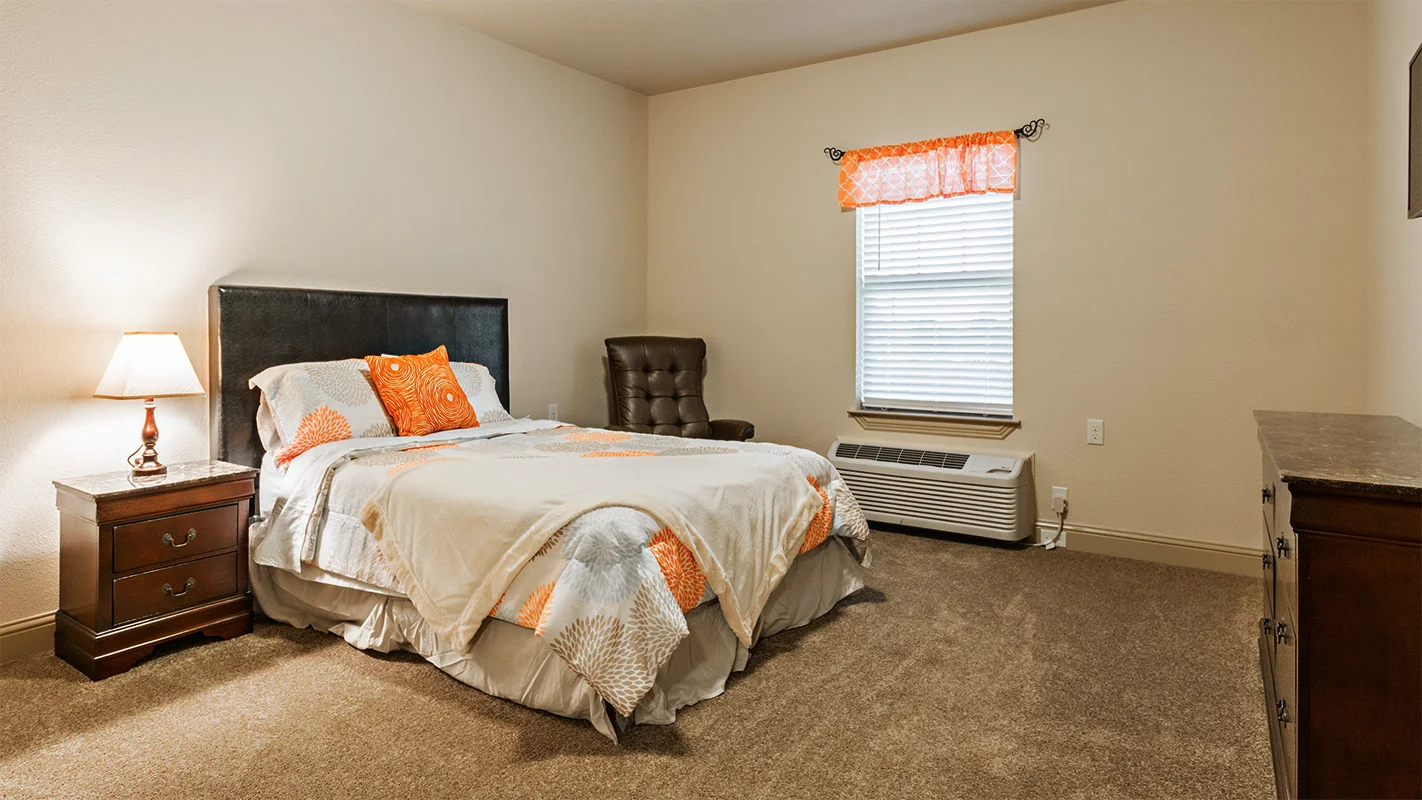
A brief story from the trenches
A daughter I worked with, Elena, visited 4 communities for her father, Luis, who had mid-stage Alzheimer's. Two looked beautiful. One had a roof garden. Elena picked the least flashy building. Her factors were basic. The nurse had actually existed nine years and welcomed three locals by name, then asked one how his grandson's baseball video game went. A caregiver revealed Elena how they used a basic apron with Velcro closures to preserve self-respect during mealtime. The courtyard had a loop course with a bench every twenty feet. The administrator did not flinch when Elena requested for state survey outcomes and walked her through a recent medication mistake and the re-training that followed.
Luis moved in on respite look after two weeks. He slept through the night by day four since assisted living near me personnel rerouted his 9 p.m. Pacing with a short walk and cocoa, then a photo album of his carpentry jobs. Elena reached an irreversible stay. A year later on, when Luis required hospice, the same group handled his pain and kept his preferred Spanish guitar music playing gently in the space. Elena said the place never felt like a hotel, and that was the point. It seemed like people who understood her father.
Bringing everything together
Quality memory care reveals itself through consistent staffing, thoughtful design, and daily practices that secure dignity. Marketing can not phony the method a caregiver bends to eye level to consult with a resident, or how quickly somebody responds to a call light. If you build your evaluation around staffing, environment, every day life, and health integration, and you test your impressions with a 2nd visit or a respite stay, you will see the difference between pledges and practice.
There is no best choice. Compromises are unavoidable. A smaller sized structure might use intimacy but fewer on-site therapies. A bigger campus may supply facilities but feel overstimulating. Your job is to match the location to the person in front of you, not the individual they were ten years back. Ask plain questions. Look previous chandeliers to bathroom grab bars and meal hints. Trust what you observe more than what you are told.
Most households do not regret moving too early. They regret moving too late, after injury or caretaker collapse. If you reach the point where safety, sleep, and health are collapsing, a well-chosen memory care community can bring back balance for everybody involved. Respite care can be your stepping stone. And when the time concerns lean on hospice, a strong team will help you keep the focus where it belongs, on comfort, connection, and the individual you love.
BeeHive Homes of Frisco provides assisted living care
BeeHive Homes of Frisco provides memory care services
BeeHive Homes of Frisco provides respite care services
BeeHive Homes of Frisco supports assistance with bathing and grooming
BeeHive Homes of Frisco offers private bedrooms with private bathrooms
BeeHive Homes of Frisco provides medication monitoring and documentation
BeeHive Homes of Frisco serves dietitian-approved meals
BeeHive Homes of Frisco provides housekeeping services
BeeHive Homes of Frisco provides laundry services
BeeHive Homes of Frisco offers community dining and social engagement activities
BeeHive Homes of Frisco features life enrichment activities
BeeHive Homes of Frisco supports personal care assistance during meals and daily routines
BeeHive Homes of Frisco promotes frequent physical and mental exercise opportunities
BeeHive Homes of Frisco provides a home-like residential environment
BeeHive Homes of Frisco creates customized care plans as residents’ needs change
BeeHive Homes of Frisco assesses individual resident care needs
BeeHive Homes of Frisco accepts private pay and long-term care insurance
BeeHive Homes of Frisco assists qualified veterans with Aid and Attendance benefits
BeeHive Homes of Frisco encourages meaningful resident-to-staff relationships
BeeHive Homes of Frisco delivers compassionate, attentive senior care focused on dignity and comfort
BeeHive Homes of Frisco has a phone number of (469) 353-8232
BeeHive Homes of Frisco has an address of 2660 Timber Ridge Dr, Frisco, TX 75034
BeeHive Homes of Frisco has a website https://beehivehomes.com/locations/beehive-homes-frisco/
BeeHive Homes of Frisco has Google Maps listing https://maps.app.goo.gl/HWUAPNmeBuFCmgFdA
BeeHive Homes of Frisco has Facebook page https://www.facebook.com/BeeHive.Frisco.McKinney/
BeeHive Homes of Frisco has an Instagram account at Instagram
BeeHive Homes of Frisco won Top Assisted Living Homes 2026
BeeHive Homes of Frisco earned Best Customer Service Award 2025
BeeHive Homes of Frisco placed 1st for Texas Senior Living Communities 2025
People Also Ask about BeeHive Homes of Frisco
What is BeeHive Homes of Frisco Living monthly room rate?
The rate depends on the level of care that is needed. We do an initial evaluation for each potential resident to determine the level of care needed. The monthly rate is based on this evaluation. There are no hidden costs or fees
Can residents stay in BeeHive Homes of Frisco until the end of their life?
Usually yes. There are exceptions, such as when there are safety issues with the resident, or they need 24 hour skilled nursing services
Do we have a nurse on staff?
No, but each BeeHive Home has a consulting Nurse available on demand. The High Acuity building will have an RN on call 24x7. In some cases the residents can be assessed for Home Health and Hospice needs and if approved can get a higher level of nursing care
What are BeeHive Homes of Frisco's visiting hours?
Visiting hours are adjusted to accommodate the families and the resident’s needs… just not too early or too late
Do we have couple’s rooms available?
Yes. Our Memory care building have double occupancy room which can be shared by couples. In our assisted living the side - by - side rooms can be taken by couples. Please ask about the availability of these rooms
Where is BeeHive Homes of Frisco located?
BeeHive Homes of Frisco is conveniently located at 2660 Timber Ridge Dr, Frisco, TX 75034. You can easily find directions on Google Maps or call at (469) 353-8232 Monday through Sunday 7:00am to 7:00pm
How can I contact BeeHive Homes of Frisco?
You can contact BeeHive Homes of Frisco by phone at: (469) 353-8232, visit their website at https://beehivehomes.com/locations/beehive-homes-frisco/ or connect on social media via Instagram Facebook or YouTube
Barrel House offers a nearby dining destination where families supporting loved ones through Assisted living memory care senior care elderly care and respite care can enjoy time together.